







Search Results for: single-origin recommendations
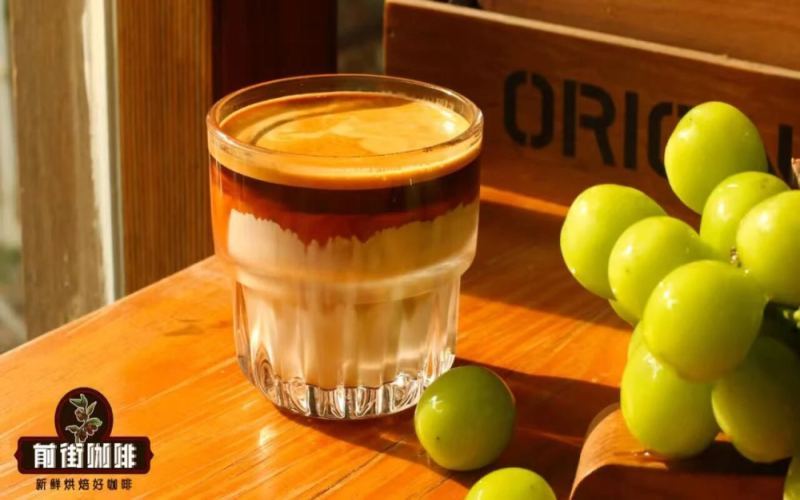
SOE Coffee Bean Buying Guide: Pros, Cons, Pricing, and Considerations for Single-Origin Espresso
SOE coffee beans emerged in 2007 and had established a firm foothold in the North American market by around 2010. Today, more and more cafés feature them as their seasonal highlight. SOE, or Single Origin Espresso, refers to espresso extracted under high pressure from a single-origin coffee bean using an espresso machine. It is not some mysterious formula—essentially, it simply swaps a blend for a single-origin bean—but the resulting differences in flavor expression, consistency, and price are worth every coffee lover's serious attention. This article will explore the concept, common misconceptions, and key points for bean selection, while also recommending several distinctive, niche SOE beans from Front Street Coffee to help you make a more suitable choice based on your personal taste preferences. [more…]
What Is SOE Coffee? Clearing Up Misconceptions, Key Buying Tips, and Front Street Coffee Bean Recommendations
SOE coffee beans have been a hot topic in the specialty coffee scene in recent years, but do you really understand them? This article will systematically explain the definition of SOE—espresso made with single-origin single-varietal beans—review its development trajectory since its birth in 2007 and its gradual spread across North America, and break down one by one cognitive misconceptions such as "SOE is definitely tastier than blends" and "SOE is necessarily more high-end." The article also compares the differences between single-origin pour-over and SOE in terms of roasting positioning and extraction methods, reminding everyone that single-origin beans, as agricultural products, naturally have flavor fluctuations. Finally, it includes three groups of SOE bean lists carefully selected by Front Street, each with a different style, covering different taste needs such as floral, high-sweetness, and low-acidity, helping you choose the beans you like. [more…]
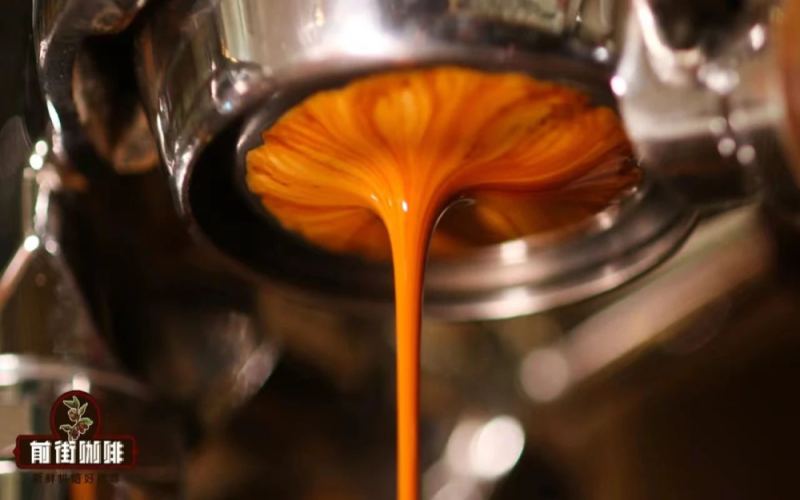
SOE Coffee Bean Brands | Is Espresso Extracted from Single-Origin Beans Good? Recommended Beginner-Friendly, High-Value SOE Coffee Beans
For more specialty coffee knowledge, please follow our WeChat official account: Front Street Coffee (FrontStreet Coffee). What is SOE coffee? SOE is the abbreviation of Single Origin Espresso, which means single-origin espresso. Its key focus is to highlight [more…]
Coffee Bean Types | Which Suits Moka Pot Brewing: Single-Origin or Blend? High-Quality Medium-Dark Roasted Coffee Beans Recommended for Moka Pot Enthusiasts
Single-origin beans usually come from a single region and estate. They typically have their own distinctive aroma and flavor, which is what people often call the terroir flavor. When single-origin beans are made into espresso, they get another name: SOE. SOE stands for Single Origin Espres [more…]

Huakui SOE Coffee | Why Are Single-Origin Espressos So Popular? A Recommendation for Beginners: Delicious and Affordable SOE Single-Origin Espresso Coffee Beans
When ordering a coffee at a café, have you ever been asked by the barista, "Would you like to try our SOE?" The so-called "SOE" is short for "Single Origin Espresso," which means espresso made from a single-origin coffee. Many people think that single origin is better than blends. [more…]
Is SOE Espresso the Same as Single-Origin Beans? A Detailed Explanation of the Meaning of Huakui SOE and Recommendations of Four Front Street Single-Origin Espresso Beans
In the world of espresso, blended beans and SOE single-origin beans each have their own distinctive characteristics. SOE emphasizes a single origin and places higher demands on bean quality and roast level in order to extract a highly recognizable espresso flavor. This article starts from the differences between blends and SOE, explains why medium or medium-dark roasted single-origin beans are more suitable for making SOE, and recommends four Front Street SOE espresso beans commonly used by baristas, covering different flavor profiles such as berry and floral, passion fruit and grape, creamy nut, and wild spice, helping coffee lovers make a choice based on personal preference. [more…]
What is the difference between single-origin coffee beans and blended coffee beans? Which single-origin coffee beans are suitable for a moka pot?
What exactly is the difference between single-origin coffee beans and blended coffee beans? Simply put, single-origin beans come from a single origin or estate and carry a distinctive regional flavor; while traditional espresso mostly uses dark-roasted blended beans, pursuing richness and intensity. When single-origin beans are used for espresso extraction, they are called SOE. Moka pots and espresso machines both use high-temperature, high-pressure extraction, making bean selection especially critical. This article will sort out the core differences between single-origin and blended beans, and recommend three Front Street medium-to-dark roasted single-origin beans suitable for a moka pot, covering Brazil Queen's Estate, PWN Golden Mandheling, and Colombia Strawberry Claw, helping you easily make a cup of moka pot coffee with aromatic crema at home. [more…]
SOE Specialty Coffee Beans Recommendation | What's the Difference Between SOE Coffee Beans and Espresso Blend Coffee Beans? Can Ethiopian Natural Red Cherry SOE Single-Origin Beans Be Used for Pour-Over Coffee?
For more specialty coffee knowledge, please follow the WeChat official account: Front Street Coffee (FrontStreet Coffee). In recent years, as the wave of specialty coffee has swept in, SOE coffee has also begun to gather momentum, so recently quite a few coffee enthusiasts visiting Front Street have asked why Front Street's shop doesn't offer SOE coffee. [more…]
Single-Origin Espresso | How Should Beginners Choose Beans for SOE Coffee to Make It Taste Good? Recommendations for Popular, Distinctively Flavored SOE Single-Origin Espresso Beans
What is specialty coffee? According to the Specialty Coffee Association of America (SCAA), specialty coffee is, in short, coffee obtained through good green beans, good roasting, and good extraction. The so-called "SOE" is actually "Single Origin Esp [more…]
Espresso Coffee Bean Recommendations | What's the Difference Between Latte Espresso Beans and Single-Origin Coffee Beans? What Are Some Common Recommended Latte Espresso Bean Blends?
Some friends may know about coffee beans, but not realize that coffee beans are also divided into espresso and single-origin. Actually, it's not hard to understand—the lattes and similar drinks we often have belong to espresso coffee, so the coffee beans used must match accordingly. Not all coffee beans can be used to make espresso. Some people ask Front Street: So what kind of [more…]
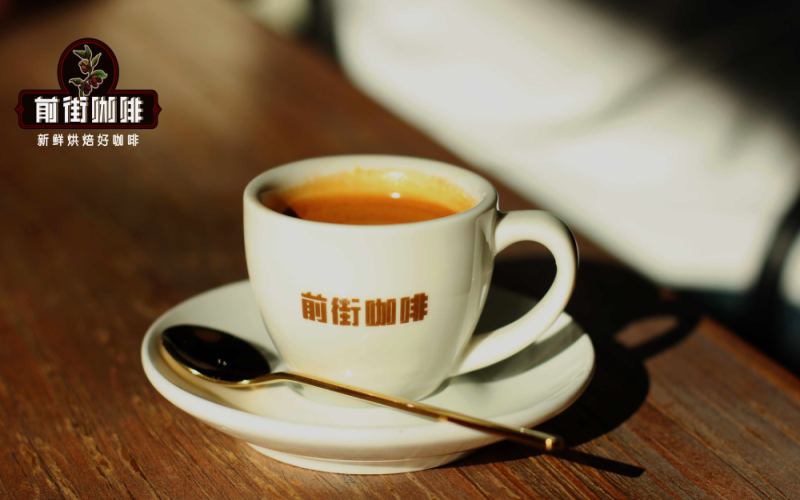
Coffee Bean Identification Tips | Should Coffee Beginners Choose Single-Origin or Blended Beans? What Are Some Recommended High-Cost-Performance Single-Origin Coffee Beans for Beginners?
The coffee beans themselves are the biggest factor affecting coffee flavor. If you don't choose high-quality coffee beans, you won't be able to taste good coffee. Today, I'll share some practical tips for beginners on selecting and identifying coffee beans. Coffee bean brands suitable for beginners to learn about For inexperienced newcomers, the complicated cof [more…]
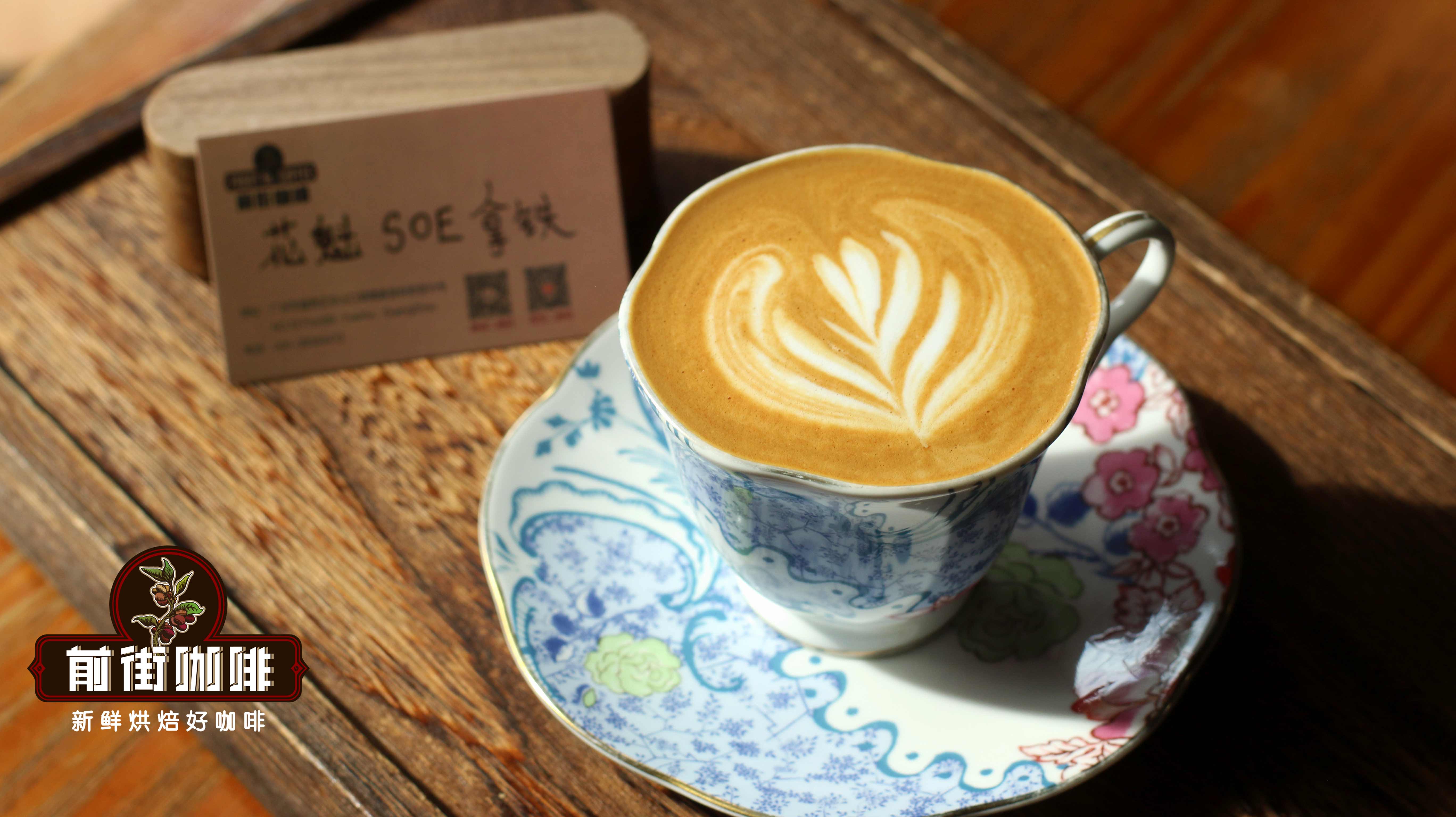
Is SOE Coffee the Same as Single-Origin Black Coffee? Explaining the Meaning of Americano SOE and a Guide to Choosing Espresso Beans
When ordering at a coffee shop, you may often see SOE latte or SOE americano options, but what exactly does SOE mean? Is it equivalent to single-origin black coffee? This article starts with the definition of SOE, sorts out its differences from traditional blend beans, explains SOE's characteristics and difficulties in extraction, and recommends three Front Street single-origin coffee beans suitable for making espresso, helping you better understand and choose SOE espresso beans. [more…]
A Complete Guide to Specialty Single-Origin Coffee Beans: Flavors of the Three Major Regions, Mainstream Processing Methods, and Recommended Common Varieties
Step into the world of specialty coffee, and you'll find the choices far richer than you might imagine. At just one Front Street Coffee location, there are over fifty single-origin coffees on sale, each carrying the unique character bestowed by its different origin. This article begins with the definition of single-origin coffee, explaining what traceable single-origin coffee is, then takes a deeper look at the three major factors that determine flavor—region, variety, and processing method. It then sorts through the flavor tendencies of the three major producing regions—Africa, Asia, and Latin America—and explains them in conjunction with the three common processing methods: natural, washed, and wet-hulled. The article also compiles information on the region, altitude, variety, and flavor of several representative Front Street coffee beans, for coffee lovers to use as a reference when choosing according to their taste. [more…]
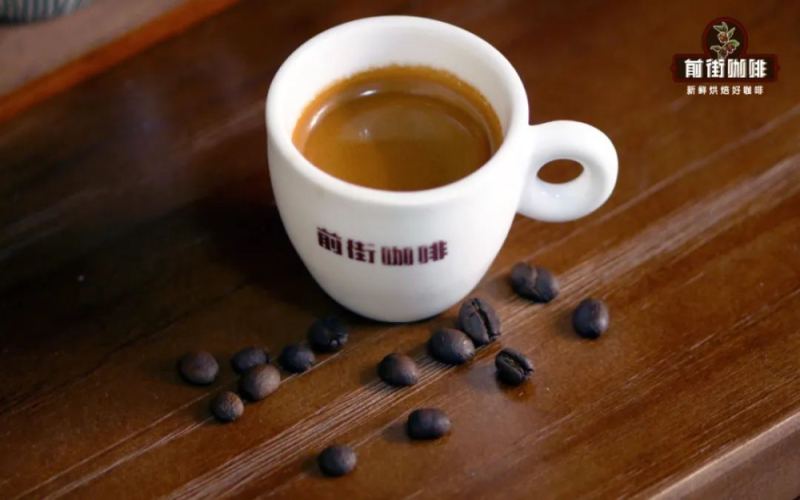
A Complete Guide to SOE Single-Origin Coffee Beans: Flavor Differences Between Single-Origin Espresso and Blends, Plus Four Recommendations
In recent years, more and more coffee shops have added a "switch to SOE" option to their menus, and some even offer several SOE beans at once for customers to choose from. What exactly does this frequently appearing abbreviation stand for? And what are the fundamental differences between it and the common espresso blend beans? This article will explain the definition of SOE, its differences from blends, roasting orientations, and the single-origin coffee beans suitable for making SOE, and recommend four Front Street Coffee SOE beans to help you understand this important concept in the world of espresso. [more…]
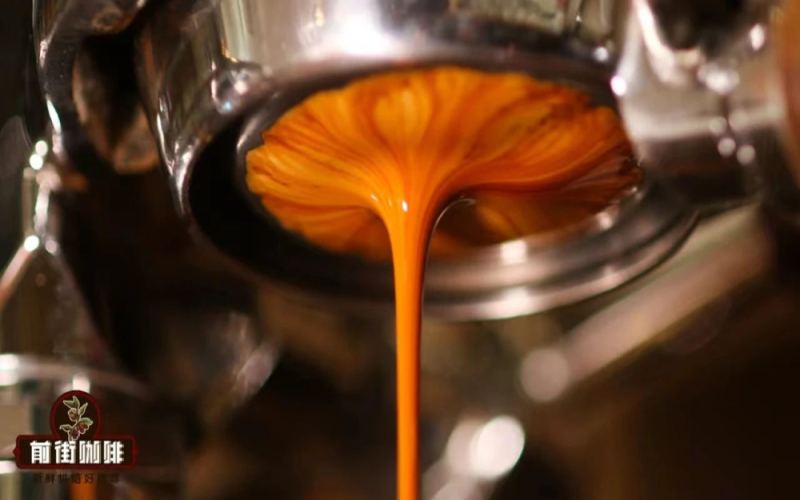
SOE Coffee Full Guide: Definition, Flavor Characteristics, and Practical Brewing Tips for Single-Origin Espresso
SOE is the abbreviation for Single Origin Espresso, which in Chinese means single-origin espresso. Its core lies in using single-origin coffee beans to make espresso, thereby highlighting the unique flavor of a specific region. In recent years, with the spread of information from the specialty coffee wave and barista competitions, this style has gradually become popular. However, SOE places higher demands on bean quality and roast level, and during extraction, parameters and the milk-to-coffee ratio also need to be adjusted. This article will outline the concept of SOE, recommend three Front Street Coffee SOE beans, and share precautions during preparation, helping coffee enthusiasts gain a more comprehensive understanding of this style. [more…]
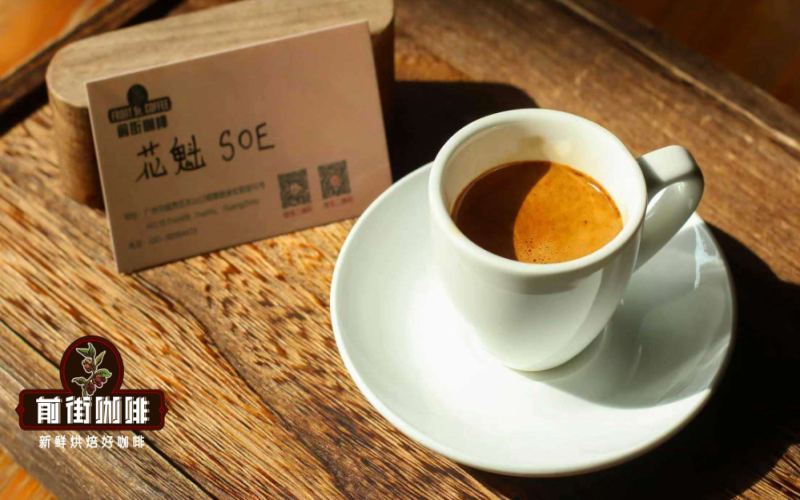
How to Choose SOE Coffee Beans? Yirgacheffe Flavor Analysis and Four Single-Origin Espresso Recommendations
SOE stands for Single Origin Espresso, which refers to espresso made from coffee beans of a single origin. It is not the same concept as single-origin coffee, but rather a relationship of inclusion and being included—single-origin beans can be used for pour-over, siphon, and also espresso, and only the latter is called SOE. Because the high temperature and pressure of an espresso machine amplify the flavors, making SOE places higher demands on bean quality, roast level, and extraction parameters. This article explains in detail the flavor characteristics of SOE made from beans from regions such as Yirgacheffe, and recommends four Front Street Coffee beans suitable for making espresso, to help you find the cup that suits your taste. [more…]
A Complete Guide to Choosing Single-Origin Coffee for Beginners: From Origin Flavors to Front Street Brand Recommendations
Newcomers to specialty coffee often feel overwhelmed when faced with a dazzling array of single-origin beans. This article starts with the definition of single-origin coffee, helping you clarify the differences between single-region, single-estate, and traceability. It then breaks down flavor characteristics by the three major producing regions—Africa, the Americas, and Asia—and offers beginner-friendly bean recommendations from the Front Street Coffee brand, such as Yirgacheffe, Lintong Mandheling, and Costa Rica. Finally, it covers how the four main processing methods affect acidity and sweetness, so you can quickly build a bean-selection framework and find the cup that suits your taste. [more…]
A Complete Guide to SOE (Single Origin Espresso): Differences from Blended Beans, the Feasibility of Using Single Origin Beans for Espresso, and Front Street Coffee Bean Recommendations
When you walk into a café to order, you're often asked by the barista, "Would you like SOE or a blend?" Many people are baffled the first time they hear this term. SOE stands for Single Origin Espresso, referring to espresso extracted from coffee beans of a single origin. It gradually entered the public eye after James Hoffmann won the 2007 World Barista Championship, and in China it only really took off after specialty coffee became widespread. Unlike blended beans, which pursue stability and balance, SOE places more emphasis on the distinctiveness of regional flavors, but it demands higher standards for bean quality, roasting technique, and the barista's understanding. In this article, Front Street Coffee will systematically sort out the definition of SOE, the background of its rise, its differences from blended espresso, and recommend three single-origin coffee beans suitable for making SOE. [more…]
Must-read for beginners: How to choose pour-over single-origin coffee? Flavor characteristics of the three major regions and recommended representative beans
Want to get into single-origin pour-over coffee but don't know where to start? Starting from the definition and characteristics of single-origin coffee, this article systematically breaks down the flavor differences among the three major producing regions—Asia, Africa, and Latin America—and introduces the representative coffee beans worth trying from each region, including Front Street Coffee's Cerrado, Front Street Coffee's Huilan, Front Street Coffee's Flower Queen, Front Street Coffee's Little Tomato, Front Street Coffee's Red Bourbon, Front Street Coffee's Mandheling, and Front Street Coffee's Yunnan small-batch beans. Whether you're a beginner just getting into specialty coffee or a seasoned drinker looking to compare flavors across regions, you'll find the perfect cup for you. [more…]
How to choose beans for SOE single-origin espresso? A complete guide from flavor types to Front Street Coffee brand recommendations
As specialty coffee has become increasingly popular in China, the debate over whether espresso should use single-origin beans or blend beans has never ceased. SOE (Single Origin Espresso) rose to fame after being used by 2007 WBC champion James Hoffmann, and gradually became popular in China due to the promotion of chain brands. However, SOE and blends each have their pros and cons: the former emphasizes flavor individuality and often carries noticeable acidity; the latter pursues richness and stability, better matching mainstream tastes. Front Street Coffee believes that the core of specialty coffee lies in the professional presentation of the entire supply chain, rather than judging quality solely by bean type. This article will systematically sort out the definition of SOE, its history, and its differences from blend beans, and provide specific recommendations for Front Street brand SOE and espresso blend beans, helping coffee lovers make choices that suit them. [more…]